Seasons and weather · Mississippi Gulf Coast
marshBirds of the Mississippi coast
Pelicans on every piling, ospreys over the bayous, herons in the marsh grass and, each spring and autumn, waves of tired migrants dropping into the island woods.
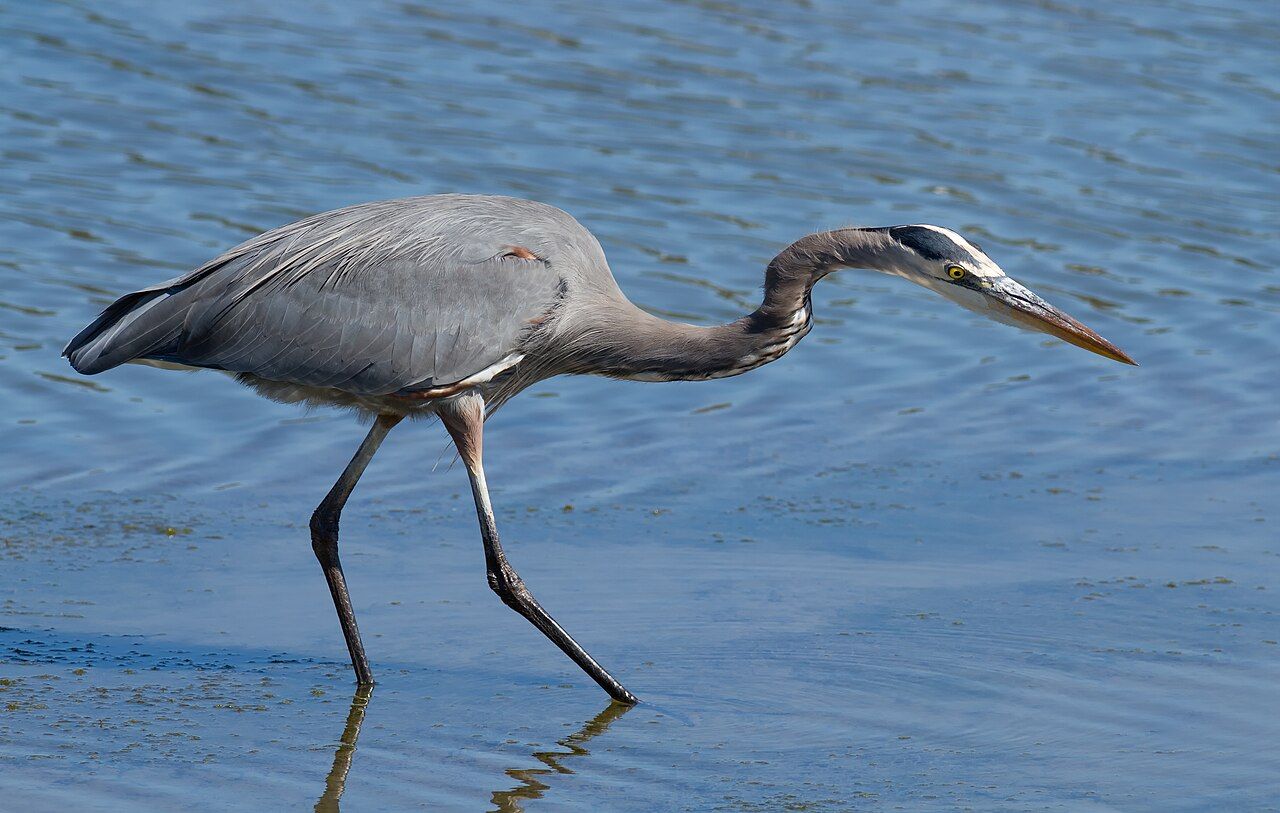
The Mississippi coast sits on one of the great bird highways of North America. Every spring, millions of small birds fly north across the Gulf of Mexico and make landfall along this shore; every autumn, many of them come back the other way. Between those rushes, the coast has its own resident birds: pelicans, herons, egrets, ospreys and the marsh birds that most people hear far more often than they see. You do not need to be an expert to enjoy them. A pair of binoculars and a willingness to stand still for a while will do.
Brown pelicans
The brown pelican is the bird people picture when they think of this coast, and it is easy to see. Pelicans sit on pilings and channel markers, glide in lines just above the waves, and dive head first into the sound to scoop fish into their throat pouches. In breeding season, adults show a dark brown neck and a pale yellow head.
It was not always so common. In the middle of the twentieth century, the pesticide DDT thinned the eggshells of pelicans and many other fish-eating birds, and brown pelicans vanished from much of the Gulf. After DDT was banned in the United States in the early 1970s, they slowly recovered, and the species was taken off the federal endangered list in 2009. Every pelican on a post along US 90 is part of that comeback.
In winter, look also for American white pelicans, larger and white with black wingtips. They do not dive; they swim in groups and scoop fish together in shallow water.
Ospreys and other hunters
Ospreys are fish hawks, and the coast suits them. They build big stick nests on dead trees, poles and channel markers, often close to water, and you will see them hovering over the bayous and dropping feet first onto fish. Many ospreys stay year round in the region, and their whistling calls carry far over the marsh.
Bald eagles nest in the river swamps inland and are seen more often now than a generation ago. In autumn, hawks and falcons move along the shore on migration. Along the beaches in summer, terns and black skimmers hunt in the shallows; skimmers fly with the long lower half of their bill slicing the surface.

Herons, egrets and spoonbills
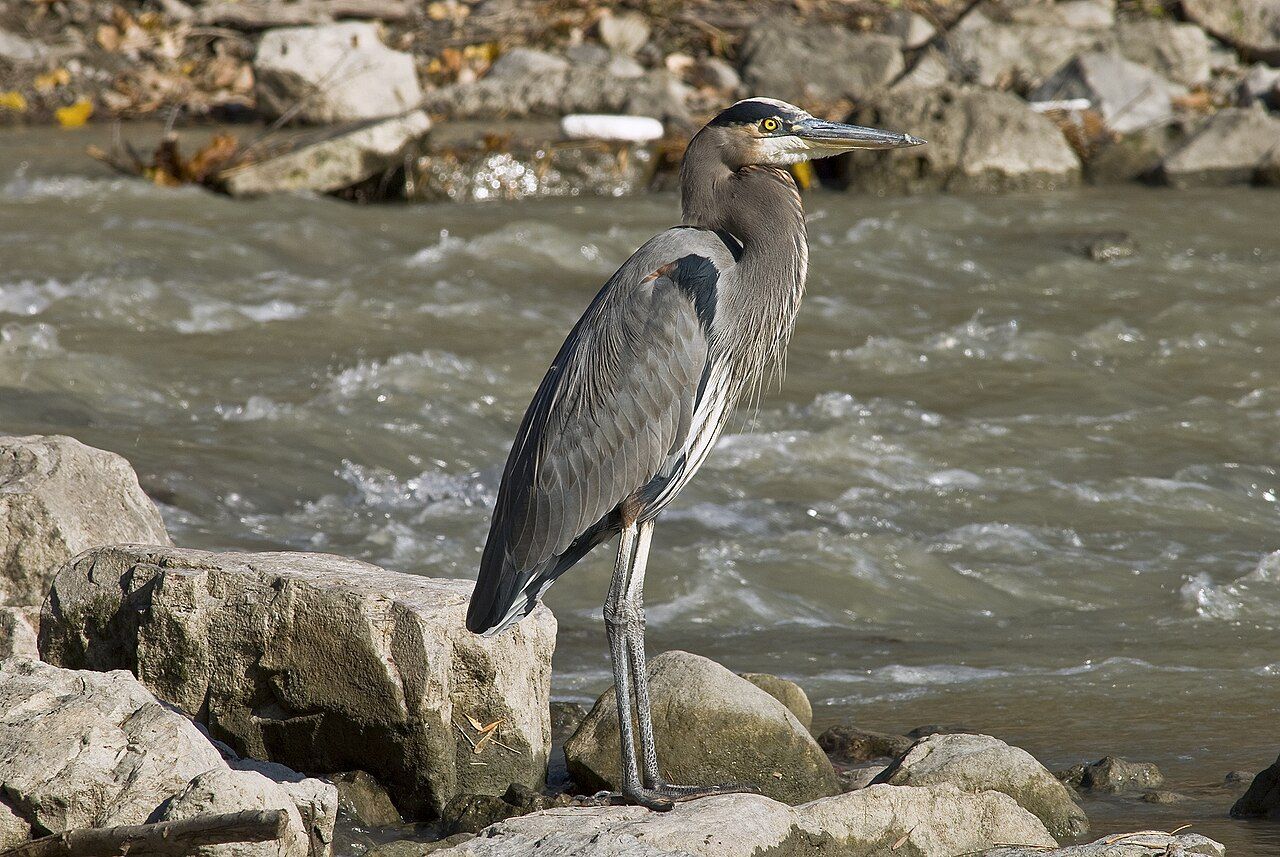
The marshes and bayous are heron country. The great blue heron, tall and grey, stands still at the water's edge and strikes at fish with its long bill. Great egrets are almost as tall and entirely white; snowy egrets are smaller, with black legs and yellow feet. The tricolored heron, the little blue heron and the green heron hunt the same edges, and night herons gather in quiet trees near the water.
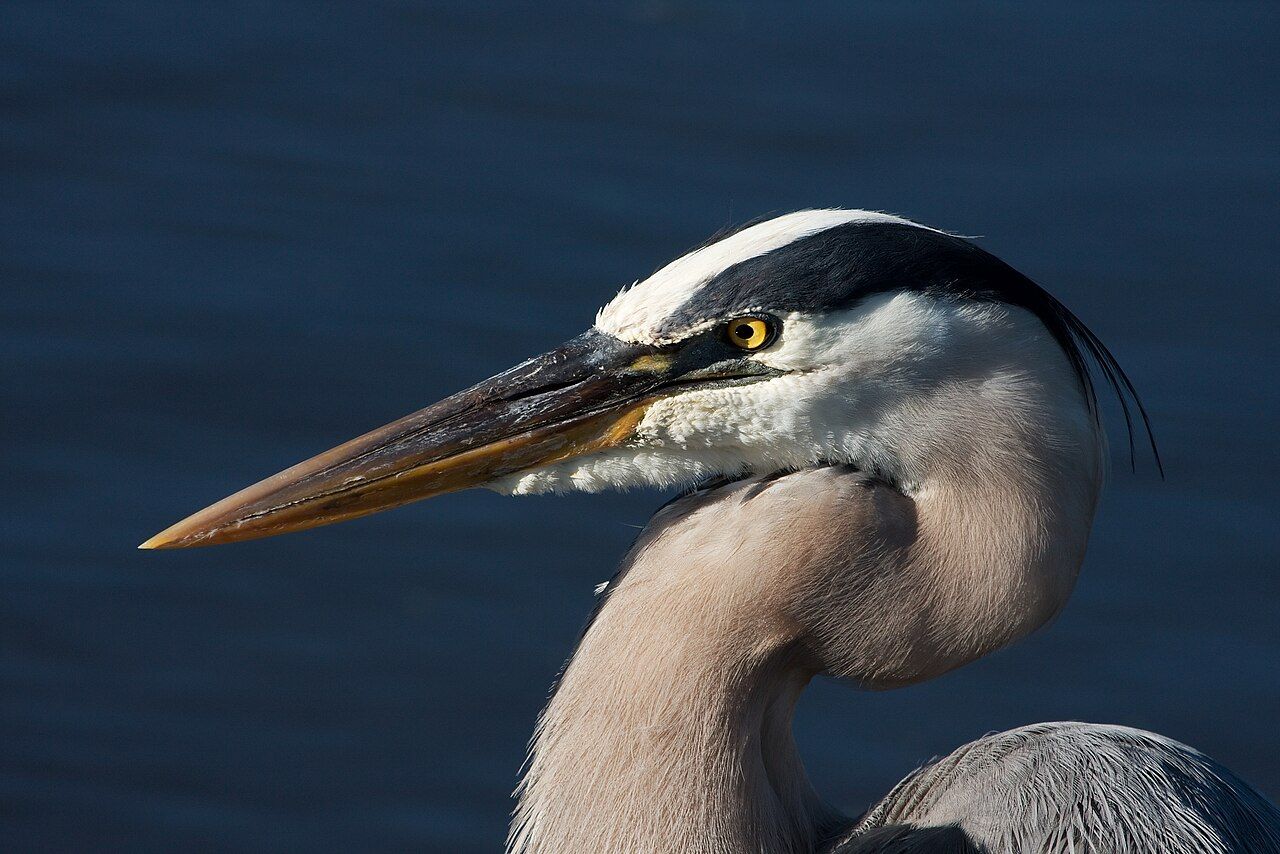

Watch how each one hunts. Some wait without moving for minutes; others stalk, run or shuffle their feet to stir up prey. You can spend an hour on one boardwalk just learning to tell them apart.
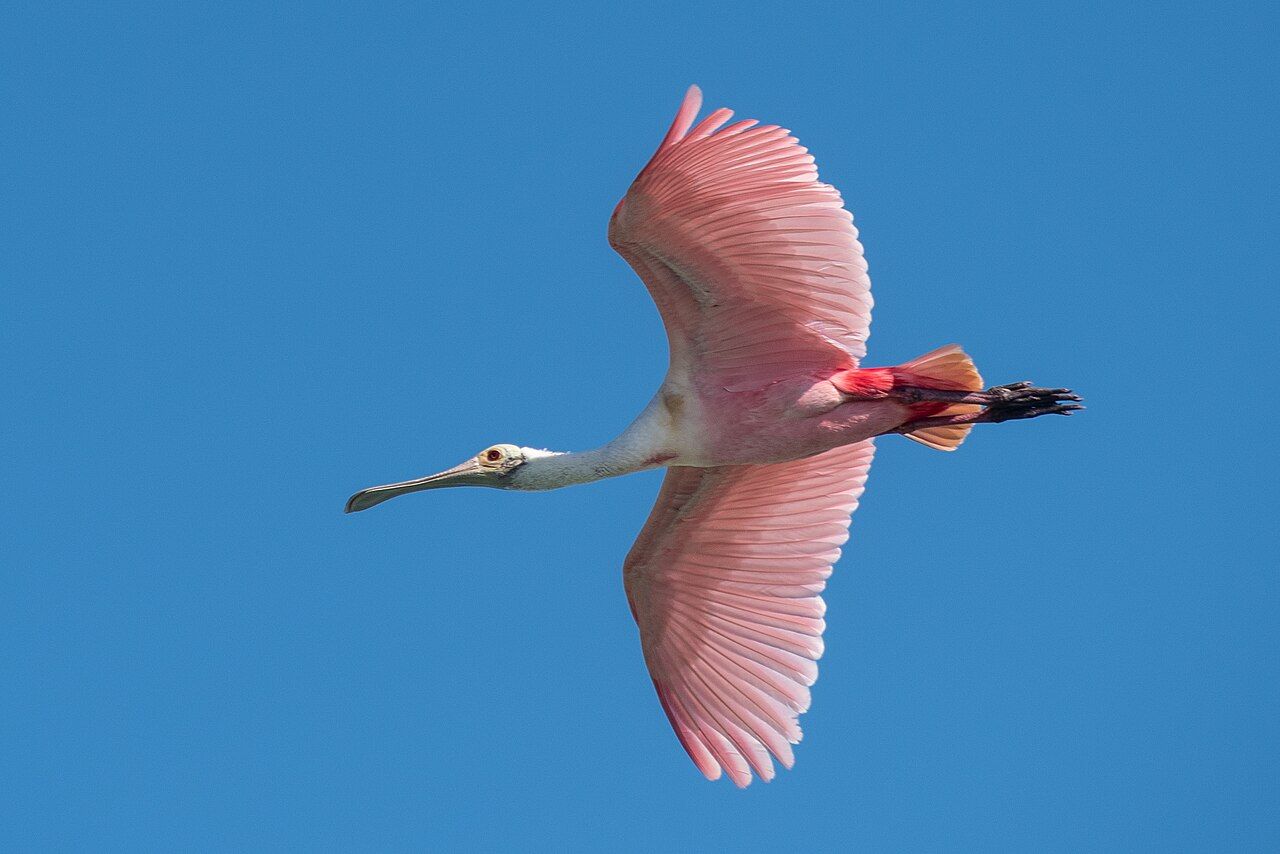
The roseate spoonbill is the bird people most hope to see. Pink, with a flat, spoon-shaped bill that it sweeps through shallow water, it nests mainly to the west and east of here but turns up on the Mississippi coast more often than it once did, especially in the warm months. A spoonbill in a tidal pond is a reason to pull over.

Migrants on the islands
Spring migration peaks in April. Birds leave the Yucatán and Central America at dusk and fly through the night across the Gulf. In good weather many fly straight over the coast and keep going inland. When a cold front or heavy rain meets them over the water, though, they come down exhausted in the first trees they reach. The woods on the barrier islands and the oaks in the coastal parks can suddenly fill with warblers, vireos, orioles, tanagers and buntings.
When a cold front or heavy rain meets them over the water, though, they come down exhausted in the first trees they reach.
These birds have just made one of the hardest flights of their lives, so keep your distance and give them room to feed. Autumn migration is slower and spread over more weeks, from late August to November, with hummingbirds, hawks and songbirds moving south along the shore. If you plan a spring trip to Ship Island, go with binoculars; the island is also a place where tired migrants rest.
Marsh birds and shorebirds
Some of the coast's most typical birds are the hardest to see. Clapper rails live deep in the salt marsh grass and announce themselves with loud, clattering calls, especially at dawn and dusk. Seaside sparrows and marsh wrens sing from the tops of the rushes. Patience at the edge of a boardwalk is often rewarded with a rail stepping out onto the mud at low tide.
On the beaches and mudflats, look for sandpipers, plovers and willets running at the edge of the water, most numerous during migration and in winter. Laughing gulls are with you all summer, and royal terns with shaggy crests patrol the surf in every season.
Where to look
You can see birds anywhere along the beach highway, but a few places are especially good:
- Davis Bayou in Ocean Springs, the mainland unit of the national seashore, has trails, marsh views and a boat launch. Our guide to Davis Bayou covers it in more detail.
- Grand Bay, near the Alabama line, protects wide salt marsh and pine savanna, with herons, rails and marsh sparrows.
- The Mississippi Sandhill Crane National Wildlife Refuge near Gautier protects the rare non-migratory sandhill cranes and the wet pine savanna they need.
- The lower Pascagoula River and its marshes, where ospreys, herons and eagles hunt and the swamp birds call from the cypress.
- Public piers and harbors along US 90, where pelicans, gulls and terns come close.
Watching well
Go early. Birds are most active in the first hours after sunrise, and the heat and insects are easier then too. Bring water, insect repellent and a hat. In the marsh and on the river, stay on trails and boardwalks, and remember that alligators also like the quiet edges where herons hunt; give them plenty of room.
Beach-nesting birds such as least terns and skimmers lay their eggs on open sand in late spring and summer. Where you see posts and rope or signs, stay outside the area and keep dogs on a leash. If birds call loudly and swoop at you, you are too close to a nest; step back. Never feed pelicans or gulls, and if you fish, collect your line and hooks. Tangled line is one of the main dangers to pelicans on this coast.
The best way to learn the birds here is to return to the same place in different seasons. The heron on the same piling in January and July, the empty oak in March that is full of warblers in April: the coast changes all year, and the birds are how you see it.