The barrier islands · Horn Island
gulfHorn and Petit Bois, the wild islands
Two long, empty barrier islands off Pascagoula, protected as wilderness, with no ferry, no buildings and no water, and with a painter's memory hanging over one of them.
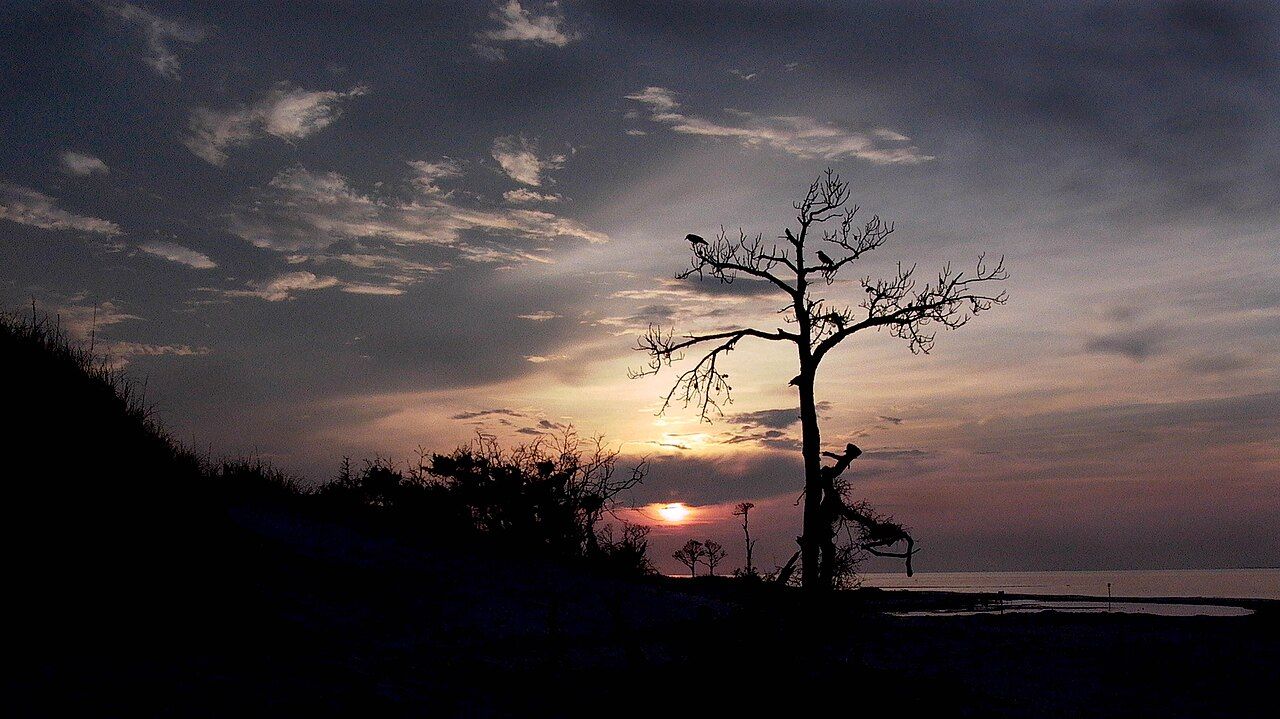
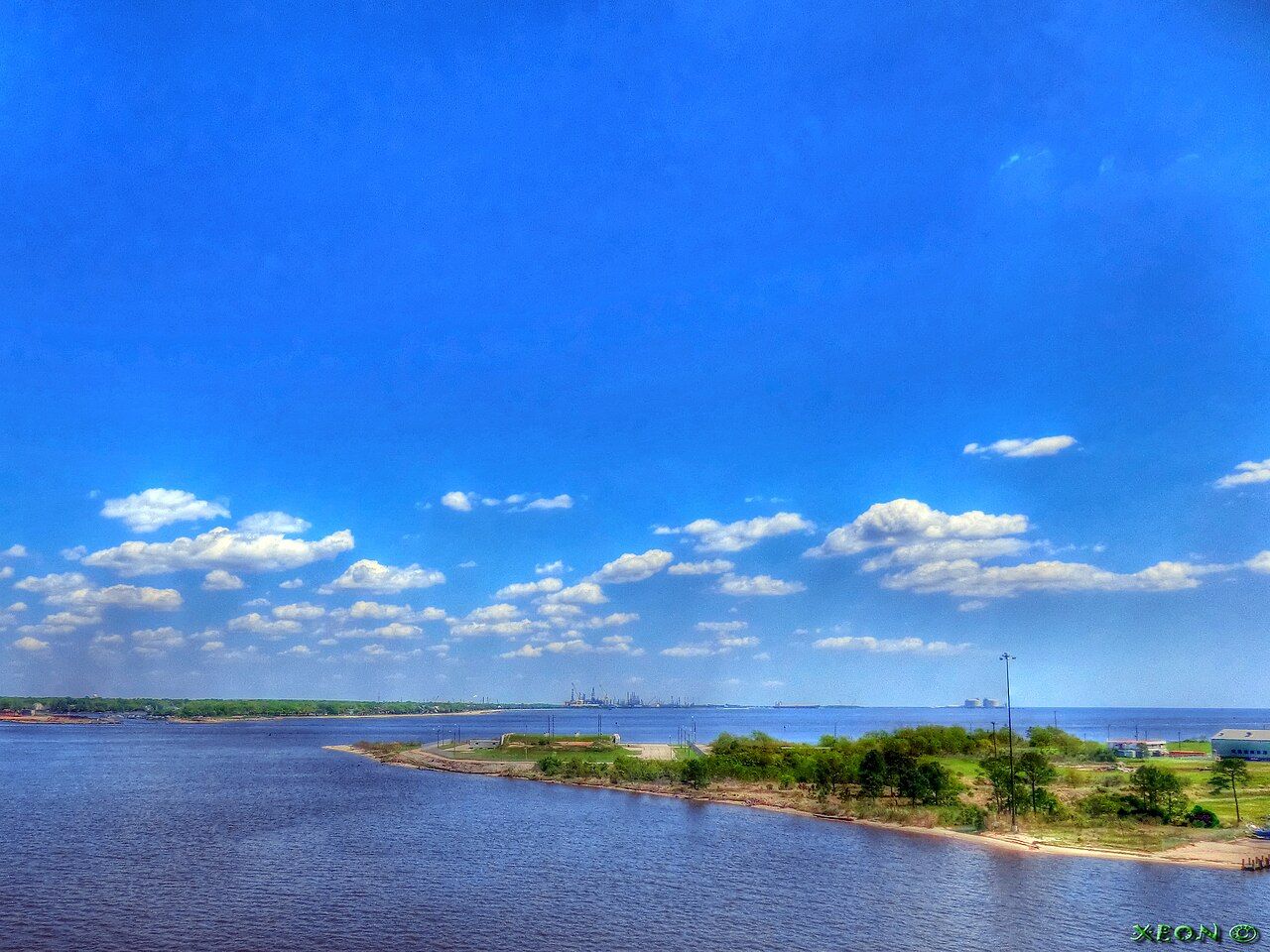
Look south from Ocean Springs or Pascagoula on a clear day and you may make out a faint line of trees on the horizon, far across the Mississippi Sound. Those are Horn Island and, farther east, Petit Bois Island: two of the barrier islands that shelter the Mississippi coast from the open Gulf. Unlike West Ship Island, they have no fort, no ferry and no visitor facilities. They are wild, and they are meant to stay that way.
Both islands belong to Gulf Islands National Seashore and are protected as wilderness. That means no roads, no buildings for visitors and no services of any kind. If you go, you go by private boat, you bring everything you need, and you take everything home again.
What the islands are like
Horn Island is the larger of the two, a long, narrow strip of sand running roughly east to west for many miles. Its Gulf side is a wide white beach facing open water. Behind the beach rise dunes, then pine woods, ponds, marsh and lagoons, with the calmer Sound side beyond. Slash pines lean away from the wind, and their bare trunks, killed by salt or storm, stand along the shore like sculpture.
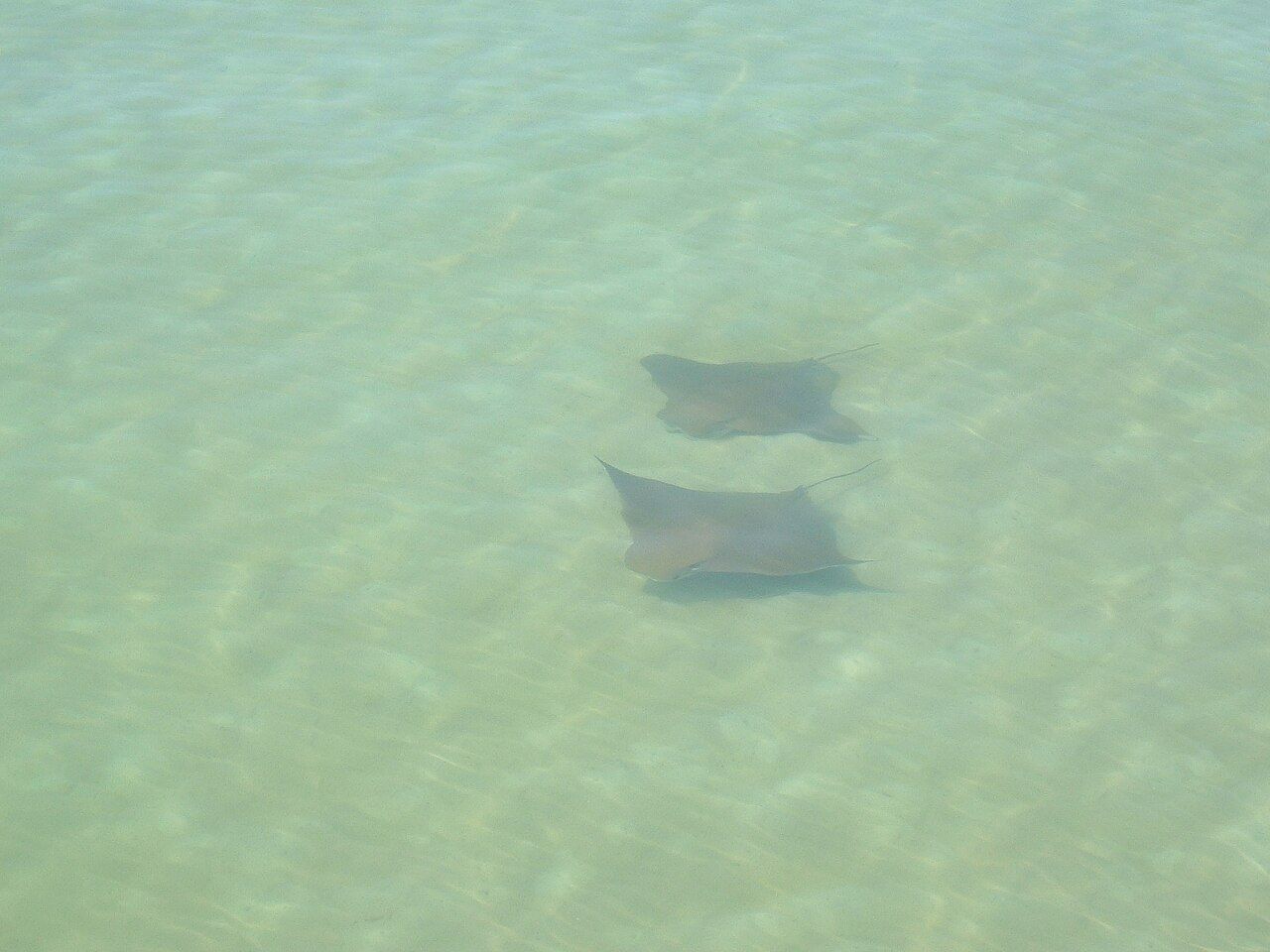
Petit Bois, whose French name means little wood, lies to the east toward Alabama. It is smaller and lower, with long beaches and dunes and fewer trees. The water around both islands is often clearer than the water closer to shore, and you may see rays gliding over the sand in the shallows.

The wildlife is the main reason to come. Ospreys nest on the islands, brown pelicans and terns fish offshore, and shorebirds work the tideline. Raccoons and other small mammals live in the woods, and alligators are found in the freshwater ponds of Horn Island, which surprises many first-time visitors. During spring and autumn migration, songbirds crossing the Gulf rest in the island trees.
Walter Anderson's island
Horn Island has a particular place in the story of the coast because of the painter Walter Anderson, who lived in Ocean Springs. For years he rowed a small boat across the Sound to Horn Island and stayed there alone, often for weeks, drawing and painting the birds, insects, plants and weather around him. He slept under his upturned boat when it rained, kept written logs of his days, and returned with stacks of watercolors.
Further down the waterOcean Springs and the painter of the islandsHis work is the best introduction to the island many people will ever have, and it is worth seeing before you go. The museum devoted to him in Ocean Springs holds many of those island paintings; read more about the town and the museum in Ocean Springs and Walter Anderson. Seeing his herons and pelicans first, then watching the real ones on the same beach, gives the island a depth that is hard to find elsewhere on the coast.
Getting there safely
There is no regular public transport to Horn or Petit Bois. You need your own boat or a private arrangement with a licensed operator, and you need to be prepared for open water. The islands sit many miles offshore, and the Sound, though shallow, can change from calm to rough within an hour when the wind picks up or a storm builds.

- Weather. Check the marine forecast before you leave and keep checking it. Summer afternoons often bring thunderstorms with lightning and sudden gusts.
- Navigation. Know the channels and shoals, carry charts, and keep a marine radio aboard. Mobile phone coverage on the islands can be patchy.
- Landing. Anchor and beach your boat with the tide and wind in mind, and make sure it will still be afloat when you want to leave.
- Self-reliance. There is no drinking water, shelter, shade or help on the islands. Bring water, food, sun protection, insect repellent and a first aid kit.
- Telling someone. Leave a float plan with someone on the mainland, with your route and the time you expect to return.
Biting insects can be fierce on the Sound side and in the interior, especially at dawn and dusk and after rain. On the Gulf side, rip currents and jellyfish are possible, as on any Gulf beach.
Camping and park rules
Primitive camping is permitted on the wilderness islands under national seashore rules, but conditions apply and they change. Rules cover where you may camp, how long you may stay, fires, pets, waste and protected nesting areas. Some parts of the islands may be closed seasonally to protect birds.
A few principles hold whatever the details:
- Pack out everything, including food waste and fishing line.
- Stay off the dunes and away from nesting birds.
- Store food securely; raccoons are bold and clever.
- Give alligators a wide berth around ponds and marsh.
- Leave plants, shells, wood and any historic objects in place.
When to go
Spring and autumn are the best seasons, with milder heat, migrating birds and fewer storms. Summer brings warm water but also intense sun, insects and daily thunderstorms. Winter can be lovely on calm days but cold fronts bring strong north winds that make the crossing dangerous. June to November is storm season on this coast; when a storm is forecast, the islands are no place to be.
If you cannot get out to Horn or Petit Bois, you can still get a taste of the islands. Take the seasonal ferry to West Ship Island and Fort Massachusetts, or walk the marsh trails at Davis Bayou on the mainland and look out across the Sound toward the horizon, where the wild islands lie.