On the water · Mississippi Gulf Coast
soundFishing and crabbing on the coast
Piers stretch into the sound along the beach highway, the marsh edges hold redfish and trout, and a string and a net are all you need to catch a blue crab.
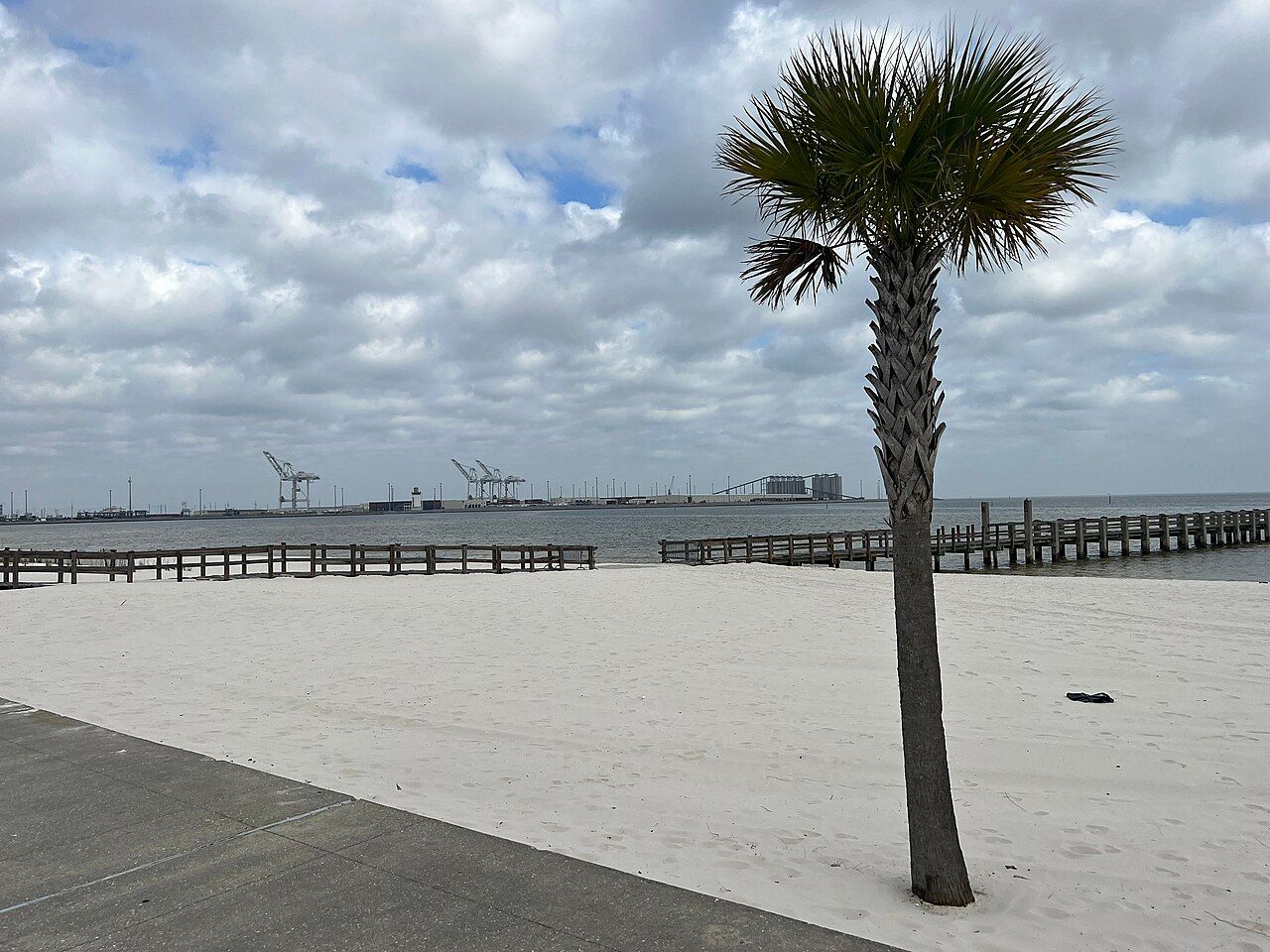
Fishing on the Mississippi coast is less about trophy boats and more about piers, bridges, bayou banks and docks. Along the beach highway, public piers reach into the sound, and on most evenings people are out with a rod, a bucket and a cooler. In the marshes and bayous, redfish and speckled trout feed along the grass. And anywhere there is a dock and a bit of salty water, there are blue crabs.
Licences and rules
Most people who fish or crab in Mississippi need a licence. Saltwater and freshwater fishing are licensed separately, and the rules depend on your age, whether you live in the state, and where and how you fish. Some piers may be covered by different arrangements. The state's marine resources agency manages saltwater fishing and crabbing, and the state's wildlife and fisheries agency manages freshwater. Check with the right one for your trip.
Size limits, daily bag limits and seasons apply to many species, including redfish, speckled trout and flounder, and they change from time to time. Blue crabs have their own rules on size and on protecting egg-bearing females. Learn to measure your catch, carry a simple ruler, and release anything you are not sure about. Shellfish are a special case: oysters can be taken only from areas that are open, in season, and safe, and the status changes often.
Piers and bridges
The easiest way to start is from a public pier. Along US 90 in Harrison County, piers reach out from the sand beach into the sound, and there are more along the shore in Ocean Springs, Bay St. Louis, Pascagoula and on the bays. Some are lit for night fishing. Rules on each pier vary, so read any posted signs.

From the piers you may catch croaker, white trout, sheepshead, flounder and, in the warm months, Spanish mackerel and ladyfish chasing bait at the surface. Speckled trout and redfish come to the piers too, especially around lights at night and when the water is moving. Live shrimp from a bait shop is the classic bait, and cut bait works well for many fish.
Be careful with your line and hooks. Brown pelicans and gulls hang around piers waiting for scraps, and they get tangled in line. If you hook a bird, reel it in gently, hold the bill and the wings, and remove the hook and all the line before letting it go. Take all line and trash with you.
Further down the waterLiving on the bayouRedfish and speckled trout
The two most sought-after fish of the coast marshes are the redfish, or red drum, and the speckled trout, or spotted seatrout. Redfish are copper-colored with a dark spot near the tail and feed along the marsh edges, around oyster reefs and in shallow water, often in water so shallow their backs show. Speckled trout are silver with dark spots and soft mouths, and they feed over grass beds and around drop-offs.
Both fish feed best on moving water, at the turn of the tide, and in the cool hours of the day. Autumn is often the best season: as the water cools, fish feed heavily and move through the bayous and bays. In winter, many fish move into deeper bayous and river mouths. Fishing the marshes is easiest from a small boat or kayak, but bank fishing at the mouths of bayous and from bridges can work too. Our guide to life on the bayou covers the wider marsh world.
Crabbing from docks
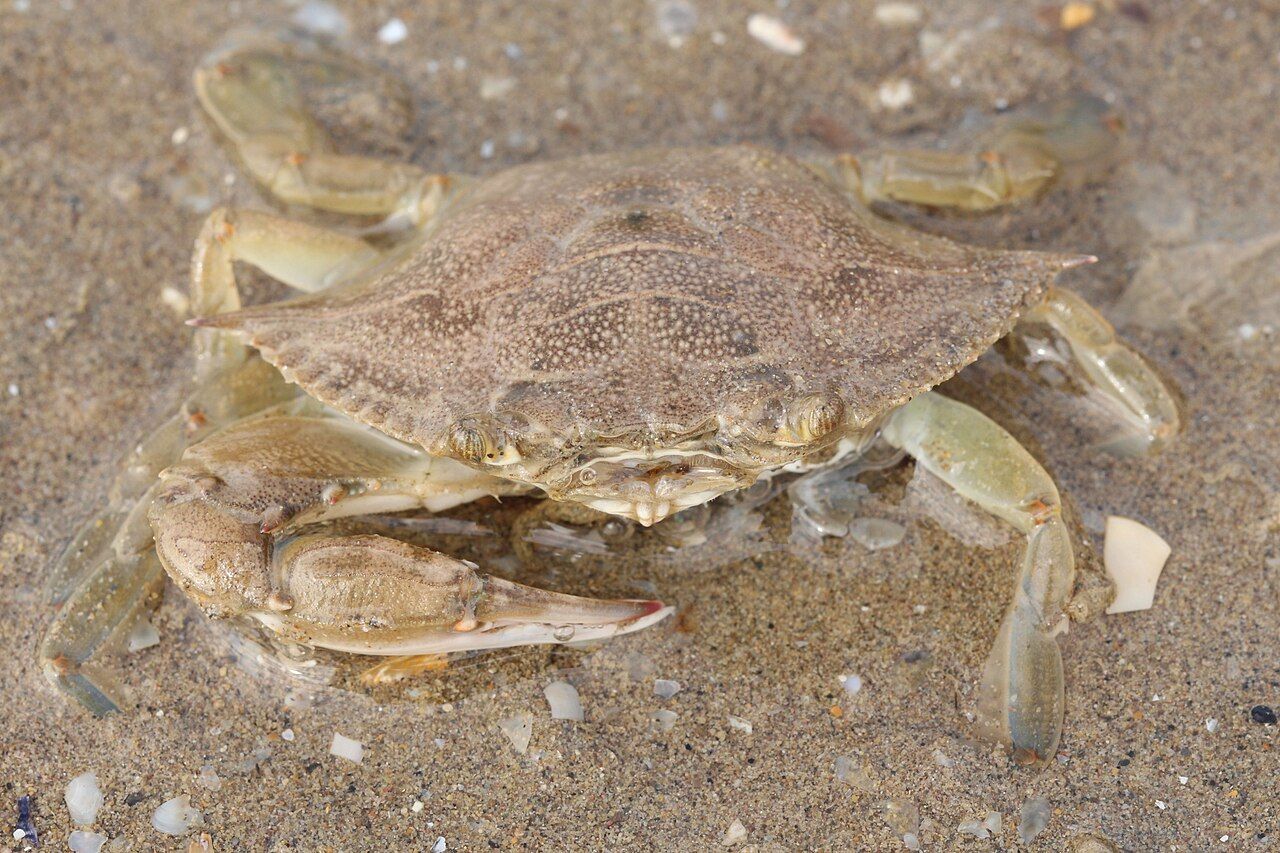
Crabbing is the simplest fun on the coast and a classic summer evening. The traditional method needs only a length of string, a weight, a piece of chicken neck or fish, and a long-handled net. Tie the bait to the string, drop it to the bottom off a dock or pier, and wait. When the line pulls or moves, draw it up very slowly; the crab will usually hold on until it reaches the surface, and then you slip the net under it.
Collapsible traps and baskets work the same way and are easy for children. Check the bait often. Keep crabs in a cooler or a basket in the shade, not in water in a bucket, where they quickly run out of air. Handle them from behind, and respect the claws. Release small crabs and any female carrying an orange or dark egg mass under her body; she is carrying the next generation.
Blue crabs are found from the salty sound to the brackish bayous and the lower rivers. Summer is the main season, but crabs are caught much of the year.
The oyster history
Biloxi built its fortune on shellfish. From the late nineteenth century, canneries along the Biloxi waterfront processed huge quantities of oysters and shrimp, and the town became one of the busiest seafood ports on the Gulf. Workers came from many places, including families from the Dalmatian coast of what is now Croatia and Cajun families from Louisiana, and later fishing families from Vietnam. Schooners dredged the reefs in winter, and the work shaped neighborhoods, churches and food.
The oyster reefs of the western Mississippi Sound have struggled in recent decades. Storms, low salinity from floods of fresh water and other pressures have hit the reefs hard, and harvest seasons have often been short or closed while the state works to rebuild them. Read more about the coast's seafood in our story on shrimp, oysters and the coast table, and about its old port in our guide to Biloxi.
Whatever you fish for, the simple rules hold: know the regulations, keep only what you will eat, watch the weather, and leave the pier cleaner than you found it.